The mission has always been clear: to improve human health by unlocking the power of the genome. That’s why we push the boundaries of genomic possibility so that researchers and clinicians can further accelerate their discoveries and applications to heal people and the planet.
For every lab, everywhere
Access NGS with unrivaled simplicity and unthinkable speed


Helping you lead the way in your field
No matter your area of expertise, we’ve got you covered. Our full genomic solutions are designed to drive your research or clinical application to the next level.

Innovation for real-world impact
Our next-generation sequencing and greater fidelity chemistry is not only transforming research. It’s enabling life-changing precision health at scale.
Innovation spotlight
Discover what's possible with XLEAP-SBS chemistry
Zymo sequencing researcher, Ethan Thai, discusses using XLEAP-SBS chemistry on their NextSeq 2000 System
Learn more about core technologies:
Products and services
The comprehensive technology you need. The service and support you deserve. Designed with your results in mind.
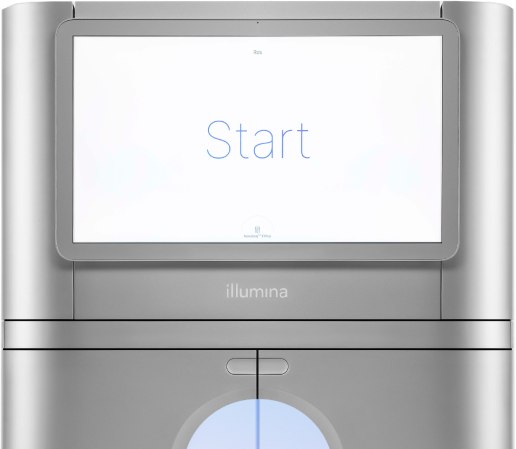
Microarrays
Genetic analysis on any scale drives imaging accuracy and exceptional results
View all microarrays
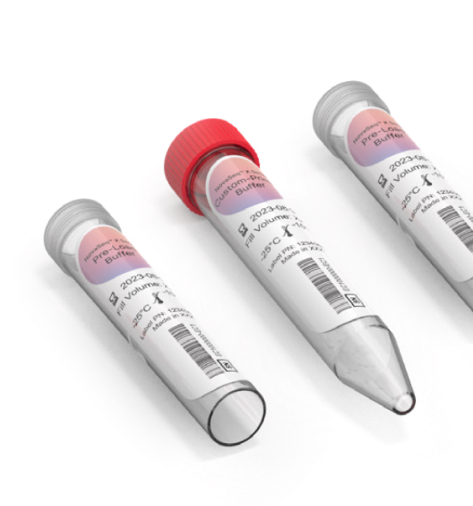
Software
Our comprehensive bioinformatics
suite unlocks deeper insights and
more relevant data
Solutions spotlight
Illumina Complete Long Reads
Deeper insights into the most complex regions of the genome
24/7 support and education
Impact in action
Explore the research, applications, and changemakers catalyzing genomics. Featured news and analysis to unite, inspire, and feed our collective curiosity.

Feature article: November 04, 2024
Enabling single-cell sequencing for every laboratory
Read articleResearch publication: October 03, 2024
Introducing the HP Advanced Custom Recipe for NextSeq 1000/2000 XLEAP-SBS P3 and P4 300 cycle kits
Read publication